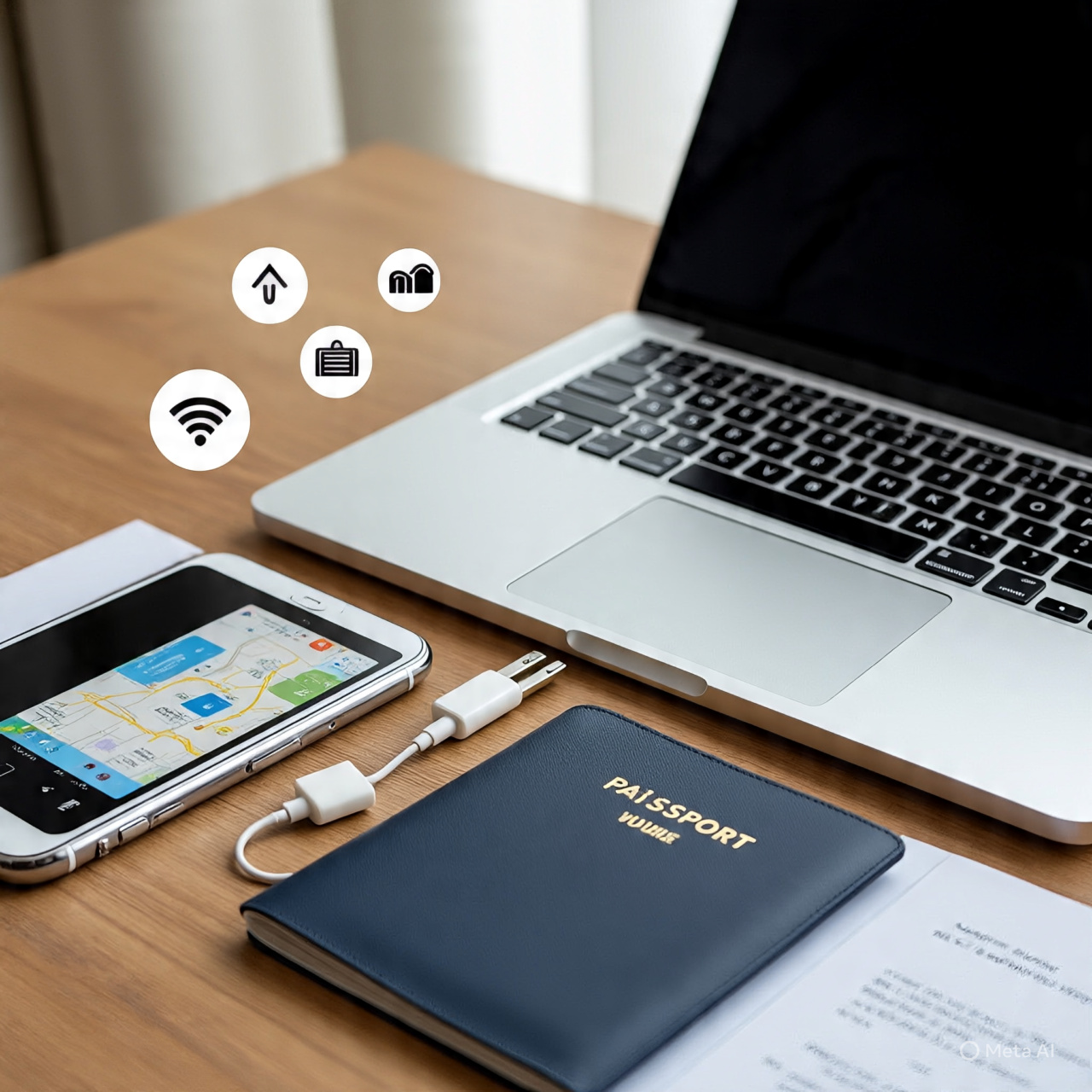
Always keep digital copies of your passport, visa, and important documents in cloud storage. Keep physical copies separate from originals.
Track your expenses daily and always have emergency cash in local currency. Use multiple payment methods for backup.
Learn basic phrases in the local language and research cultural customs. Download offline maps before traveling.
Never travel without comprehensive insurance. It covers medical emergencies, trip cancellations, and lost luggage.
Choose versatile clothing that can be mixed and matched. Roll clothes instead of folding to save space.
Always pack a basic first aid kit, phone charger, and one change of clothes in your carry-on.
Check weather forecasts and pack accordingly. Layers are better than heavy single items.
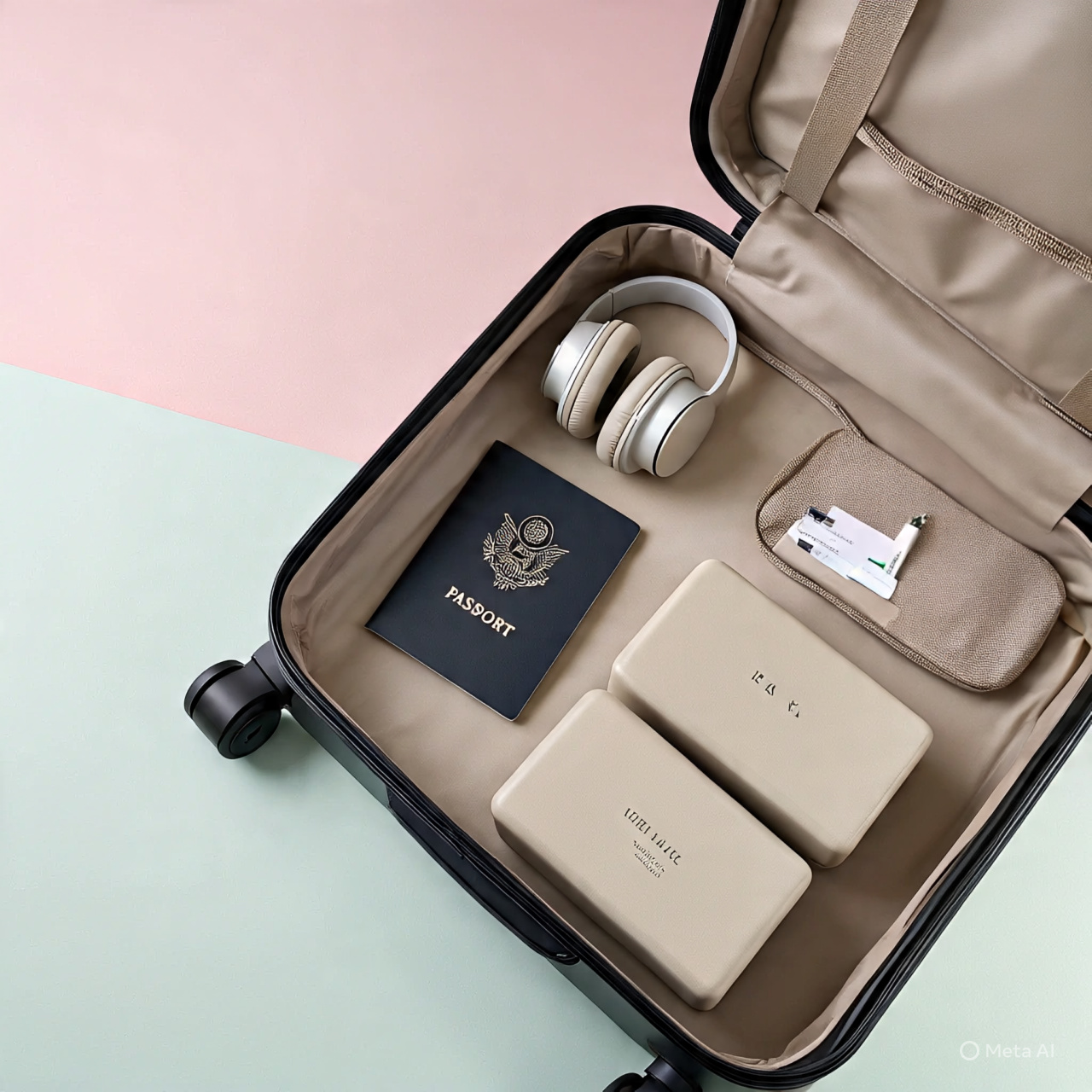
Use packing cubes to organize your luggage and maximize space. Keep frequently used items easily accessible.
Share your itinerary with family and friends. Keep emergency contacts saved in your phone and written down separately.
Be aware of your surroundings, especially in crowded areas. Trust your instincts if something feels wrong.
Use hotel safes for valuables and avoid displaying expensive items. Keep your accommodation address with you.
Notify your bank about travel plans to avoid card blocks. Use ATMs affiliated with major banks for better exchange rates.
Exchange money at banks or authorized dealers. Avoid airport exchanges as they often have poor rates.
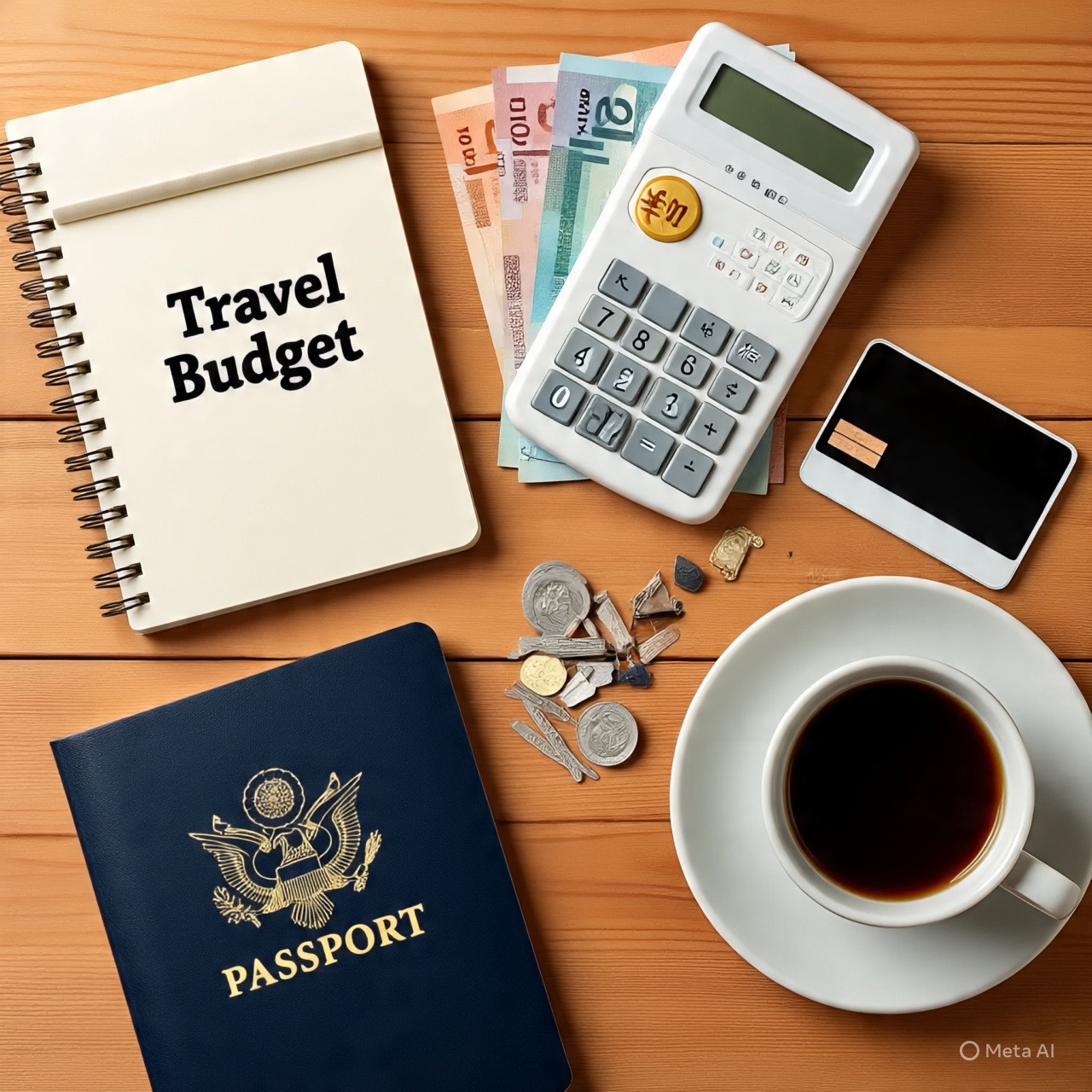
Set a daily budget and track expenses. Use budgeting apps to monitor spending in real-time.
Carry medications in original containers with prescriptions. Pack extra supplies in case of delays.
Drink bottled or purified water in unfamiliar destinations. Carry a reusable water bottle to stay hydrated.
Eat at reputable restaurants and avoid street food if you have a sensitive stomach. Try local cuisine gradually.
Don't overpack your schedule. Allow time for rest and recovery, especially when dealing with jet lag.
Keep a basic first aid kit with you — bandages, antiseptic wipes, painkillers, and any personal medical needs.
Check required vaccinations before traveling. Some destinations require proof of immunization on arrival.
Research local SIM cards or international roaming plans. Download offline maps and translation apps before departure.
Bring universal power adapters and portable chargers. Research the electrical outlet types used in your destination.
Use cloud storage for photos and important documents. Keep device passwords and account information secure.
Research local customs, dress codes, and religious practices. Show respect for local traditions and beliefs.
Learn common greetings, "please," "thank you," and "excuse me" in the local language. Locals appreciate the effort.
Research local tipping customs and appropriate amounts. What's normal in one country may be offensive in another.
Check in online and choose seats early. Arrive at the airport with plenty of time for security and immigration.
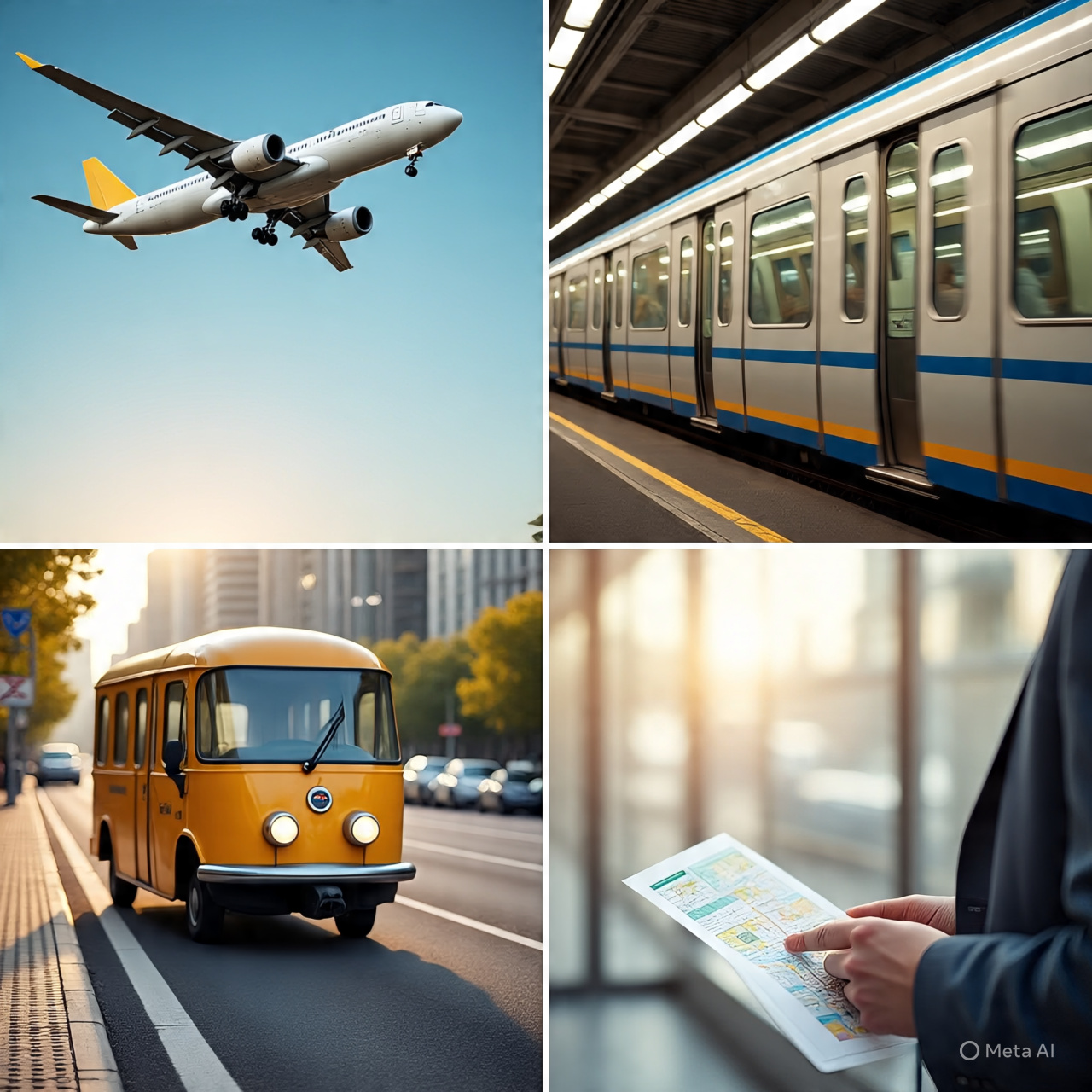
Research local public transport systems and purchase day passes when available. Keep small change for tickets.
Use reputable taxi services or ride-sharing apps. Negotiate prices beforehand if meters aren't used.